Product comparison
Best Car GPS Trackers & Car Finder Devices in 2026: 5 Options Compared
Compare portable and OBD trackers for daily vehicles, interstate travel, family use, and basic asset protection.
Read this guideGPS Tracker Research Center
Use this research hub to compare vehicle and asset trackers, understand the service behind the map, solve common update problems, and find the guide that matches your decision.
Quick answer
Choose an OBD tracker for continuous power in a compatible daily vehicle, a portable rechargeable tracker when you need flexibility, or a hardwired tracker for a permanent installation. Then compare cellular coverage, reporting interval, subscription cost, battery maintenance, and whether you are authorized to track the vehicle or asset.
Original data set
The public data page normalizes eight representative trackers by format, fastest scheduled update, lowest published service path, first-year and two-year cost, battery conditions, offline behavior, source date, and known conflicts. CSV and XLSX downloads are included.
Format first
The strongest product in the wrong format is still the wrong purchase. Use this table before comparing individual models.
| Tracker type | Best fit | Main advantage | Main limitation |
|---|---|---|---|
| OBD plug-in | Owned, compatible daily vehicle | Uses vehicle power; little charging maintenance | Visible at the diagnostic port and tied to that vehicle |
| Portable rechargeable | Cars, bags, tools, and movable assets | Easy to relocate; no vehicle compatibility requirement | Must be recovered and recharged |
| Hardwired | Permanent vehicle or fleet installation | Continuous power and less casual removal | Installation effort; difficult to move |
| Long-life asset tracker | Trailers, equipment, containers, and stored assets | Longer low-frequency monitoring between service visits | Fast reports reduce the battery-life advantage |
| Bluetooth item finder | Keys, luggage, and personal belongings | No cellular tracking subscription | No scheduled cellular reports or dedicated route history |
Buying decisions
Start with what you need to track and how the device will be powered. Product rankings only become useful after those two questions are settled.
Product comparison
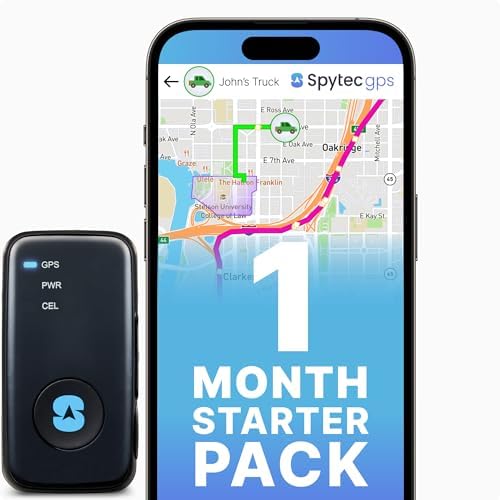
Compare portable and OBD trackers for daily vehicles, interstate travel, family use, and basic asset protection.
Read this guide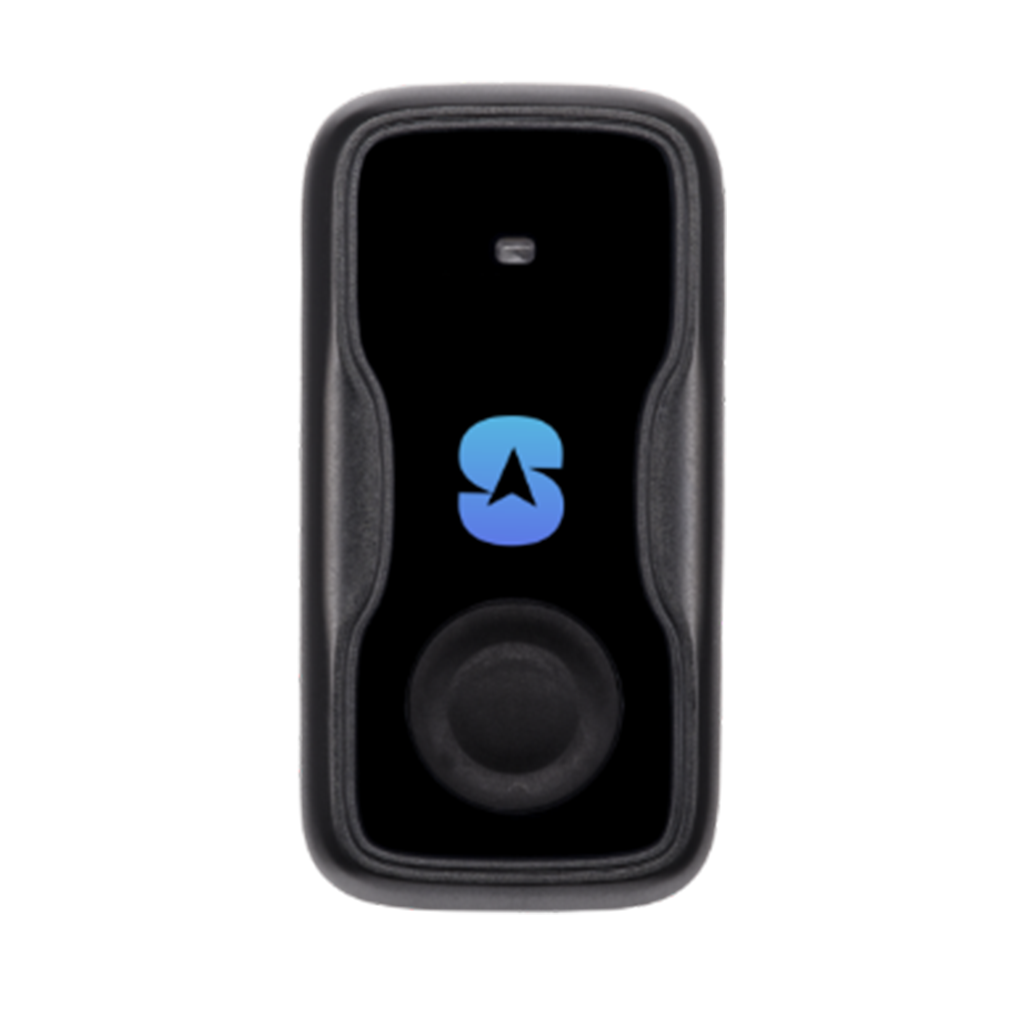
Product comparison
Compare rechargeable trackers that can move between your own cars, bags, tools, and other assets.
Read this guide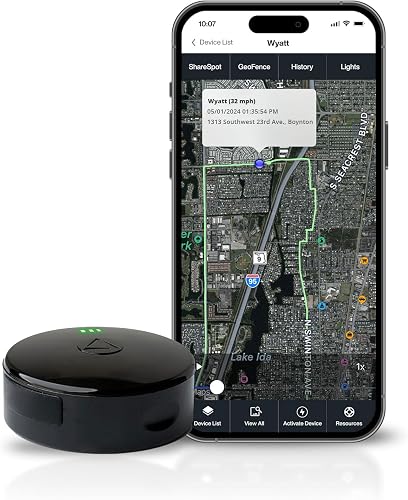
Product comparison
Compare built-in magnets, included magnetic cases, and optional mounts before choosing a portable tracker for an owned vehicle or asset.
Read this guide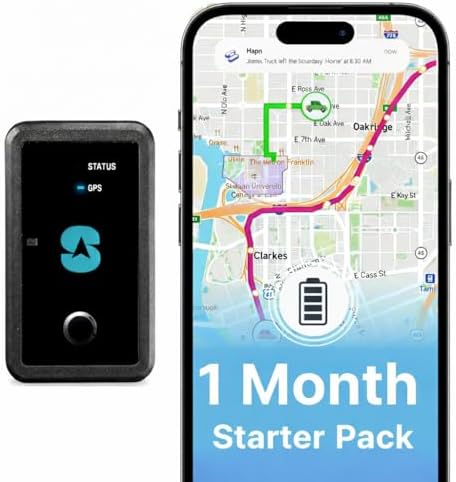
Product comparison
Focus on long battery modes, weather protection, mounting, alerts, and service costs for unpowered assets.
Read this guideTechnology and ownership
A tracker can be the wrong purchase even when the hardware is capable. These guides explain the service and maintenance conditions behind the map.
Research guide
Compare U.S. coverage claims, reporting intervals, billing structures, and first-year service costs.
Read this guide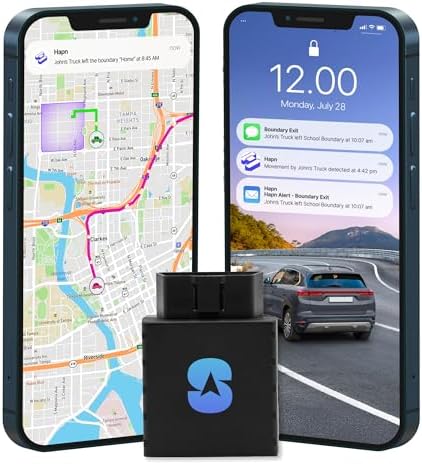
Research guide
See what one-, five-, fifteen-, and sixty-second updates mean for battery use, app delay, and plan price.
Read this guide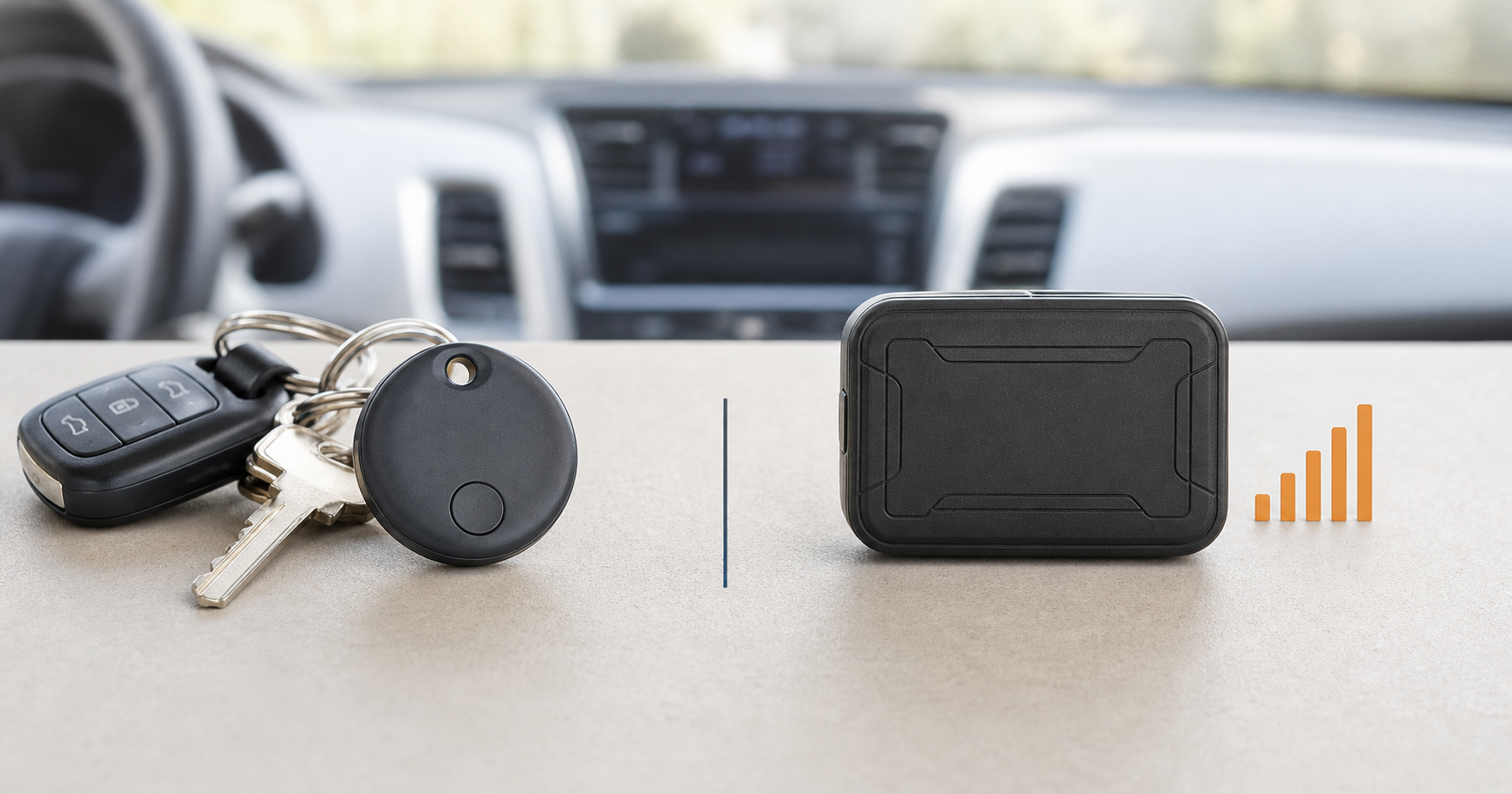
Research guide
Separate cellular GPS service from AirTag-style finding, offline logging, and other products marketed as no-fee tracking.
Read this guideResearch guide
Choose between continuous vehicle power and the flexibility of a rechargeable tracker you can relocate.
Read this guide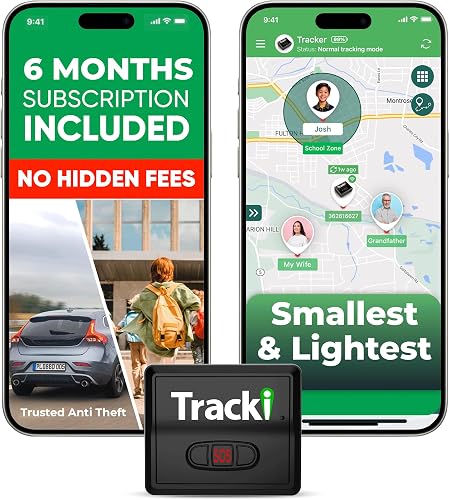
Research guide
Learn why GPS positioning can work without cellular service while fresh remote app updates usually cannot.
Read this guideBrands and alternatives
These pages separate scheduled cellular tracking from item-finder networks, then compare current hardware, app, battery, and subscription trade-offs.
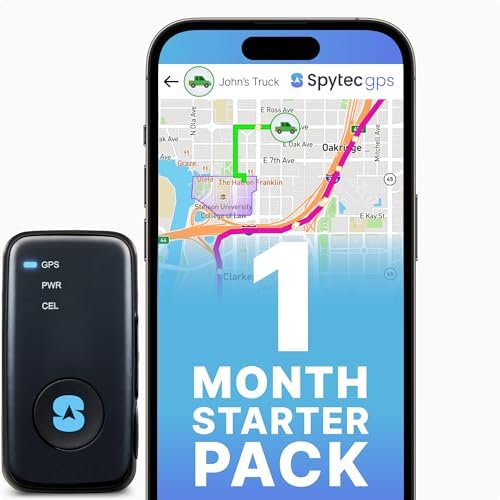
Product comparison
Review the current Spytec Atlas and Pulse lineup, Hapn app, activation path, published battery guidance, and plan structure.
Read this guideProduct comparison
Decide whether you need scheduled cellular reports, a compact SOS tracker, or an item finder with no service plan.
Read this guideAfter purchase
Technical troubleshooting and permission are separate questions. Check both before relying on location data.
Research guide
Work through timestamp, power, plan status, coverage, placement, reporting settings, and app checks in a practical order.
Read this guide
Research guide
Check your own car for unfamiliar tracking equipment, understand phone-alert limits, and preserve evidence safely.
Read this guideResearch guide
Review the U.S. legal-risk questions around ownership, consent, employees, shared vehicles, and location-data handling.
Read this guideCommon questions
These short answers identify the decision. Follow the linked guide for the evidence, conditions, and exceptions.
Choose an OBD tracker for a compatible daily vehicle when continuous power matters. Choose a rechargeable portable tracker when you need to move it between vehicles or assets and can maintain the battery. Consider hardwired installation for a permanent fleet or vehicle setup.
Compare OBD and portable magnetic trackers →Most cellular car trackers need a paid service plan to send scheduled remote reports, alerts, and route history to an app. Products without that fee usually use a different tracking method or require you to recover the device before reading stored data.
Understand no-monthly-fee options →Crossing a U.S. state border does not by itself stop a cellular tracker. It still needs power, usable satellite reception, supported cellular coverage, an active plan, and time to send the next scheduled report.
Compare coverage and service plans →A GPS receiver can calculate a location without cellular service, but a cellular tracker cannot deliver a fresh remote app update until it reconnects. Offline storage and delayed upload behavior depend on the exact model.
See how GPS and cellular service differ →Rules vary by state and context. The lower-risk starting point is to track only property you own or are clearly authorized to manage and to avoid monitoring another adult without explicit, informed consent. Seek qualified legal advice for a specific situation.
Review ownership and consent risks →Current GPS coverage is research-based. We use manufacturer documentation, support articles, plan terms, current availability, and clearly labeled editorial analysis. We do not describe a product as tested unless an article identifies the test conditions and evidence.
Affiliate disclosure: BetterPickAdvisor may earn a commission from qualifying purchases made through links on individual product pages, at no additional cost to the reader.