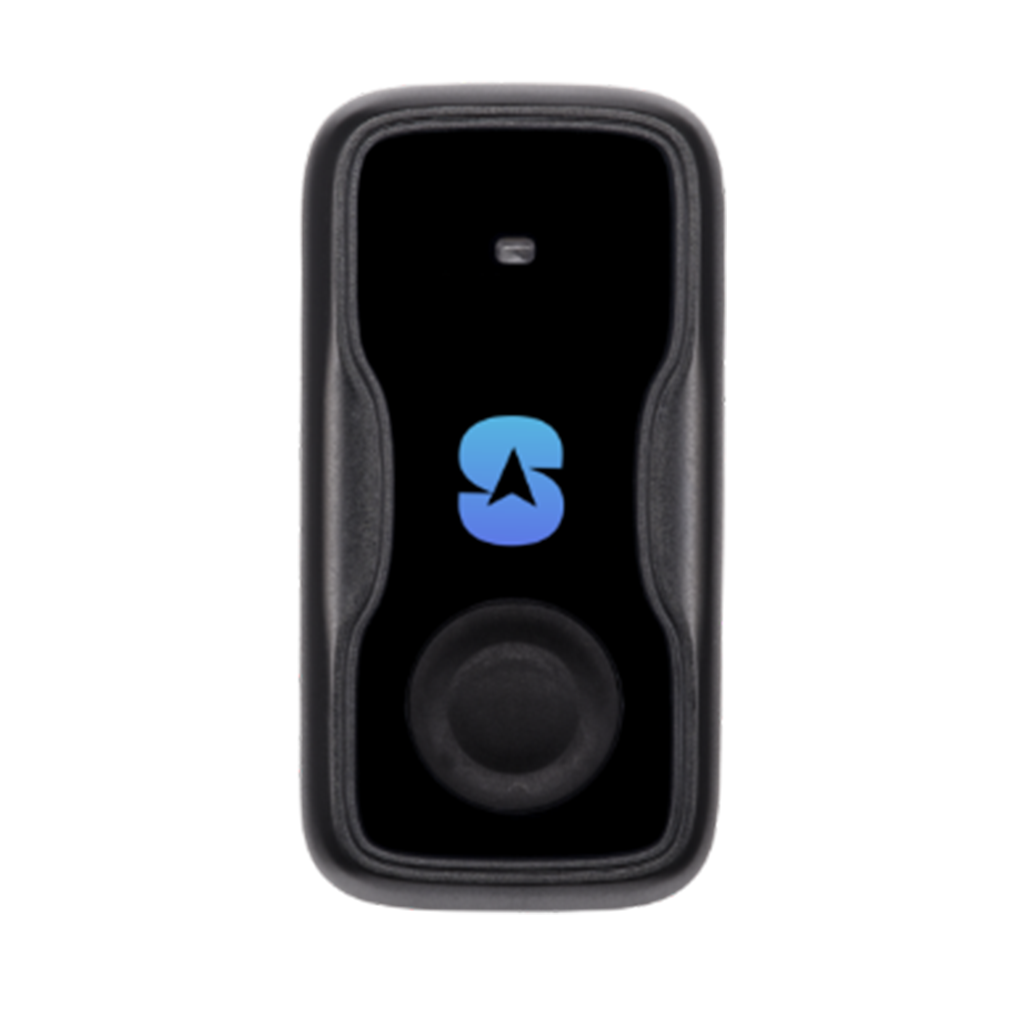
Which portable GPS tracking device fits your routine?
A portable GPS tracking device uses its own battery to report an asset’s location without permanent vehicle wiring. The five cellular devices here cover removable car trackers, compact bag trackers and larger asset trackers. Each needs an active service plan and supported cellular coverage for fresh remote reports.
Our buying rule: choose the reporting interval you need, then the charging routine you can maintain, and only then the smallest device that fits. A tiny tracker is a poor choice if it needs charging when you cannot retrieve it. A long battery headline is equally unhelpful if it assumes daily check-ins when you need a moving route.
Choose by the constraint you cannot change
| Your main constraint | Start with | Why it fits | Where the choice loses |
|---|---|---|---|
| Move one device between owned cars or equipment | Atlas Portable | Removable battery power; magnetic case in the direct offer | Requires retrieval for charging; verify Amazon bundle separately |
| Fit a bag or small valuable | Atlas Mini | Compact format with minute-by-minute scheduled reporting | Not the choice for a five-second route |
| Avoid a separate magnetic housing | LandAirSea 54 | Built-in magnet and an IP67-rated body | Faster reporting uses a more expensive service tier |
| Travel with a compact device and physical alert buttons | Tracki Universal 4G | Multiple attachment options and SOS control | Destination support needs checking; an extended battery adds bulk |
| Access a stored asset infrequently | Atlas XL | Larger battery and low-frequency reporting modes | Too bulky for a pocket; long-runtime modes give less frequent location reports |
This is our decision framework, not a measured performance ranking. For a permanent car installation, the car GPS tracker comparison also covers vehicle-powered alternatives.
This is a research-based comparison, not a shared hands-on battery, coverage, or accuracy test. The figures come from our GPS product and service-plan dataset, checked July 31, 2026, and the linked official sources. For products intended primarily for cars, see our broader best GPS trackers for cars comparison.
Five decisions to make before comparing prices
- Start with the available space. A 2-inch tracker may fit in a bag, but a vehicle or outdoor asset may instead need a weatherproof housing and a reliable mounting method. The smallest body is not automatically the easiest device to keep attached, charged, and connected.
- Choose the update interval you will actually use. A route with reports every few seconds serves a different job from a daily asset check-in. Compare plan prices only after matching the reporting speed; otherwise, the lowest monthly price can describe a much less useful service.
- Read the battery scenario, not the headline. Runtime changes with movement, signal conditions, temperature, and reporting frequency. A maximum stated for one report a day should not be used to plan a theft-recovery route or a daily commute.
- Check coverage for the route, not the brand claim. A tracker needs usable location reception, cellular service, power, and an active plan to send a fresh report. Test it where it will be used before relying on it for a trip or an unattended asset.
- Plan the ownership workflow. Decide who receives alerts, how location access is shared or removed, and when the device will be charged. Use a tracker only on property you own or are authorized to monitor.
Portable GPS tracking devices compared: reporting, battery and mounting
| Model | Best for | Fastest published reporting | Stated battery strategy | Mounting | Source |
|---|---|---|---|---|---|
| Spytec Atlas Portable | Vehicles and movable assets | 5 seconds | Up to 2 weeks per charge | Magnetic weatherproof case included with current direct plan | Spytec pricing |
| Spytec Atlas Mini | Bags, luggage, bicycles, and small valuables | 60 seconds | 12 days with 1 hour of daily movement; 34 days at once-daily reporting | Pocket-sized; match the accessory to the use case | Spytec portable comparison |
| LandAirSea 54 | Outdoor placement and flexible reporting tiers | 3 seconds on the highest-cost plan | 1–3 weeks in motion-tracking modes; longer in low-power mode | IP67-rated body with built-in magnet | LandAirSea 54 specifications |
| Tracki Universal 4G | Compact travel and personal-use features | 15 seconds on the fastest current documented plan | Strongly dependent on interval and optional battery | Magnet, clip, lanyard, and keychain accessories | Tracki plans |
| Spytec Atlas XL | Infrequently accessed trailers, boats, RVs, and equipment | 60 seconds | Portable comparison: 48 days with 1 hour of daily movement at minute updates; 365 days at daily reports | Weatherproof enclosure; optional magnetic mount | Spytec portable comparison |
These figures are manufacturer claims, not results from one normalized test. A five-second setting and a once-daily setting place completely different demands on the battery. Coverage, temperature, movement, signal strength, and device age also affect runtime.
Quick picks
Before following an Amazon link: the Spytec hardware-included subscription offers described here are direct-store offers. An Amazon purchase may charge separately for the device and may include different accessories or activation terms. Confirm the exact bundle and service eligibility before paying.
Best for vehicles
Spytec Atlas Portable
Choose it when you need a rechargeable tracker with an included magnetic weatherproof case and reports available as often as every five seconds.
Check price & availability on AmazonBest compact Spytec
Spytec Atlas Mini
Choose it for a pocket, bag, bicycle, or smaller asset when size matters more than a built-in vehicle mount.
Check price & availability on AmazonBest built-in magnet
LandAirSea 54
Choose it when IP67-rated protection, a built-in magnet, and several paid reporting-speed tiers outweigh the higher cost of fast updates.
Check price & availability on AmazonBest for travel
Tracki Universal 4G
Choose it when a compact format, SOS control, multiple attachment options, and international service are more important than the fastest interval.
Check price & availability on AmazonBest for idle assets
Spytec Atlas XL
Choose it for a trailer, boat, RV, or stored asset that may sit still for long periods. It is larger than a pocket tracker and its maximum battery claim assumes low-frequency use.
Check price & availability on AmazonWhat “portable GPS tracker” should mean
Search results often mix three categories that should not be treated as interchangeable.
Cellular GPS trackers
These devices estimate a location and use a cellular connection to send reports to an app or web portal. They can provide scheduled updates over long distances when the device has power, a usable location signal, supported cellular service, and an active subscription.
The five primary products in this guide belong to this category.
Bluetooth item finders
AirTag, Tile, and similar products depend on nearby compatible devices or a phone connection. They are useful for finding personal belongings and usually avoid a separate cellular-tracking subscription. They do not provide the same scheduled, self-contained cellular reporting as the products above.
Use our Spytec vs Tracki vs AirTag comparison if you are deciding between these two technologies.
Handheld navigation devices
Outdoor handheld GPS units help a person navigate and may offer satellite messaging. They are not automatically remote asset trackers. A product built to show you where you are solves a different job from a device built to send an asset’s location to someone elsewhere.
When a portable tracker is the wrong product
- You need no recurring cellular plan: start with what “no monthly fee” GPS tracking actually means. Bluetooth item finders and offline GPS loggers solve different problems from a cellular tracker.
- The tracker will stay in one compatible car: compare OBD and magnetic GPS trackers before paying for a rechargeable device you must retrieve regularly.
- You need the map to refresh as often as possible: use our real-time GPS tracker update-speed guide to compare interval, plan tier, and battery trade-offs.
- The asset travels where cellular service is weak or unavailable: read whether GPS trackers work without cell service. A location fix stored on a device is not the same as a fresh remote alert.
How we selected these five options
We used six criteria that apply specifically to portable tracking:
- Use-case fit. A small tracker for luggage should not be ranked by the same priorities as a long-duration trailer tracker.
- Battery strategy. We looked at both the maximum claim and the conditions behind it, especially reporting frequency and movement.
- Reporting options. Faster intervals can produce a smoother route but usually increase service cost, data use, and power demand.
- Mounting and weather protection. A built-in magnet, optional case, clip, or pocket-sized body changes where the product can safely be used.
- App and alert functions. Current location, route history, geofences, movement alerts, battery status, and account sharing are more useful than an unsupported accuracy claim.
- Full ownership cost. We considered the tracker, service commitment, required case or mount, and battery routine rather than ranking by a temporary device price.
The order is an editorial assessment of documented features and tradeoffs. It is not a laboratory score, customer-review average, or claim that one device is most accurate everywhere.
1. Spytec Atlas Portable — best for vehicles and movable assets
Atlas Portable is the strongest default when the tracker will move between cars, trucks, equipment, or other larger assets. Spytec’s current direct plan includes the rechargeable tracker and magnetic weatherproof case. Its official pricing page lists reports as often as every five seconds and up to two weeks of battery life per charge.
That package is simpler than buying a tracker, weather case, mount, and service separately. The tradeoff is maintenance: faster reporting, frequent movement, weak reception, and cold or hot conditions can shorten runtime. It also costs more each year than several OBD options that draw power from the vehicle.
Choose it if: the tracker must be removable, weather-protected, and usable across more than one vehicle or asset.
Skip it if: you never want to retrieve a tracker for charging. Compare the vehicle-powered options in our car GPS tracker guide.
Read the full Spytec Atlas GL300 review →
2. Spytec Atlas Mini — best compact Spytec tracker
Atlas Mini targets the part of the market that standard vehicle trackers serve poorly: bags, luggage, bicycles, handbags, and smaller valuables. Spytec’s current portable comparison lists 60-second scheduled updates, with a 12-day scenario for one hour of movement per day and 34 days at once-daily reporting. Its pricing page separately summarizes battery life as up to two weeks, so the mode-specific scenarios are the more useful planning reference.
Its advantage is size, not an included under-vehicle mounting system. Verify the exact accessory in the retailer bundle before assuming it includes a weatherproof magnetic case. For a bag or bicycle, plan how the tracker will remain attached, receive a signal, and be retrieved for charging.
Choose it if: a standard magnetic vehicle tracker is too large and you want the current Spytec/Hapn platform.
Skip it if: the device will remain outdoors for months or needs a large integrated battery. Atlas XL is designed around that problem.
3. LandAirSea 54 — best built-in magnet and reporting choices
LandAirSea 54 combines a compact round body, built-in magnet, and IP67-rated enclosure. The manufacturer offers service tiers from three-minute reports to three-second reports and states one to three weeks of battery life in motion-tracking modes, with longer life possible in low-power settings.
The strength is control: buyers can choose how much reporting speed they are willing to fund. The weakness is also control: the fastest plan costs substantially more and places greater demand on the battery. Do not compare its low-cost three-minute plan with a competitor’s five-second service as if they produce the same experience.
Choose it if: a built-in magnet, published environmental rating, and multiple reporting tiers matter.
Skip it if: you want the hardware bundled into one direct subscription price or prefer a very small SOS-style tracker.
4. Tracki Universal 4G — best for compact travel and SOS controls
Tracki Universal is a compact cellular tracker with an SOS button, two programmable buttons, and several attachment accessories. Tracki documents 60-, 30-, and 15-second paid reporting tiers and advertises broad international use.
The key phrase is “supported coverage.” International marketing does not guarantee service in every country, airport, ship, rural region, or baggage area. Confirm the countries involved and check whether the device, SIM, plan, and airline rules fit the trip.
Tracki recommends a larger battery configuration for its faster 30- and 15-second plans. That is an important tradeoff: a product chosen for small size can become less compact when paired with the battery needed for frequent reports.
Choose it if: compact size, physical alert buttons, and international flexibility matter more than a built-in weatherproof vehicle mount.
Skip it if: you need the longest idle-asset runtime or a vehicle-powered tracker with diagnostics.
5. Spytec Atlas XL — best for infrequently accessed assets
Atlas XL is portable because it does not require vehicle power or permanent installation, but it is not a pocket tracker. Spytec positions it for trailers, boats, RVs, stored equipment, and other assets that may remain idle. Its portable comparison, rechecked September 18, 2026, lists 48 days with one hour of daily movement at minute-by-minute reporting, or 365 days with daily reports.
The July 31 dataset recorded different product-page scenarios, including 38 days at minute updates and 570+ days at daily updates; Spytec’s pricing page still advertises up to 18 months. These are conflicting published scenarios, not interchangeable battery measurements. Confirm the applicable hardware and mode with Spytec before planning an unattended deployment. Our reason to shortlist XL is charging access, not a guaranteed number of months.
Choose it if: the asset sits for long periods and charging access is the main constraint.
Skip it if: you need a pocket-sized personal tracker, a five-second route throughout each day, or an included magnetic vehicle case.
Subscription cost: compare the same job
For your own comparison, use first-year cost = device price + required accessories + service paid for 12 months + applicable fees and taxes. Set device price to zero only when the offer you actually buy includes it. Compare the same reporting interval and commitment; a prepaid annual rate is not a cancel-anytime monthly bill.
Prices below were checked on July 31, 2026. Promotions, hardware bundles, taxes, and renewal terms can change.
| Model | Published service structure at the July 31 check | Important cost condition |
|---|---|---|
| Spytec Atlas Portable | $34.95 month to month or $22.95/month equivalent on annual prepay | Current direct plan includes hardware and magnetic case |
| Spytec Atlas Mini | $34.95 month to month or $22.95/month equivalent on annual prepay | Verify the retailer bundle and mounting accessory |
| LandAirSea 54 | From $19.95/month for three-minute reports; faster tiers cost more | Hardware is purchased separately |
| Tracki Universal 4G | $19.95/month for one-minute reports; faster tiers cost more | Hardware and each device’s service are separate |
| Spytec Atlas XL | $24.95 month to month or $17.95/month equivalent on the current personal annual plan | Maximum runtime assumes low-frequency use |
The cheapest displayed monthly number is not necessarily the cheapest fit. A slow reporting tier may fail a live-route requirement, while a fast plan may add cost and charging work that an idle asset does not need. Our GPS tracker coverage and subscription comparison calculates current 12-month totals across providers.
Which portable tracker fits each use case?
A tracker moved between cars
Start with Atlas Portable or LandAirSea 54. Both are rechargeable and designed for flexible placement. Compare the included case, weather rating, reporting interval, plan cost, and the routine for retrieving and charging the device.
A bag, bicycle, or small valuable
Start with Atlas Mini or Tracki Universal. Size and attachment matter more here than vehicle diagnostics. For luggage, also compare these cellular products with an AirTag or another item finder before accepting another subscription.
A trailer, boat, RV, or stored machine
Start with Atlas XL. Long idle periods favor a larger battery and low-frequency reporting. If the asset has dependable 12V power and a permanent installation is acceptable, a hardwired tracker may be more appropriate.
A child, senior, or dependent adult
Do not choose from hardware specifications alone. Consent, caregiver access, emergency workflows, wearing method, false-alert handling, cellular coverage, and the person’s ability to use the SOS control all matter. A general asset tracker is not automatically a medical alert device or a replacement for supervision and emergency services.
App features that matter more than a large feature list
Before committing to a plan, verify these functions in the current app or support documentation:
- Timestamped last location: the app should make it clear when the device last reported.
- Battery and connection status: a dot on a map is not enough if the tracker has stopped communicating.
- Geofence entry and exit alerts: check whether notifications can be shared and whether repeated alerts become noisy.
- Route history: confirm the retention period and whether data can be exported if that matters.
- Account sharing: families and small teams may need role-based access rather than one shared password.
- Alert channels: app notifications, email, and SMS availability can differ by provider and plan.
- Privacy controls: know who can view the tracker and how to remove access.
If fast map movement is the primary requirement, use our real-time GPS tracker update-speed guide.
Responsible use
Looking for an unfamiliar device already on your own vehicle? Use our safe car-tracker inspection guide for detection limits and evidence-preservation steps rather than this buying comparison.
Only monitor a vehicle, bag, asset, child, employee, or dependent when you have the legal authority and appropriate consent to do so. Do not use product size, silent operation, or mounting accessories to enable non-consensual surveillance. Laws and policies vary by state, workplace, rental agreement, custody arrangement, and use case.
If a tracked vehicle or asset is stolen, share available location information with law enforcement rather than attempting recovery yourself.
Research notes and sources
September 18, 2026 editorial update: revised the buying framework and rechecked Spytec’s portable comparison and personal pricing plus Tracki’s subscription documentation. The shared dataset and the historical price table retain their July 31 check date; this update does not claim a new hands-on test or a full refresh of every provider’s offer.
We reviewed current portable-tracker search results, official product pages, plan documentation, and support material. We did not treat retailer review counts, temporary discounts, or unverified “accuracy” claims as ranking evidence.
Primary sources checked July 31, 2026: Spytec portable comparison, Spytec pricing, Spytec Atlas XL, LandAirSea 54, Tracki plans, and Tracki Universal. The normalized fields and source-conflict notes are available in our downloadable GPS dataset.
Affiliate disclosure: BetterPickAdvisor may earn a commission from qualifying purchases made through some links on this page. Spytec offers are commission-eligible. LandAirSea and Tracki remain in the comparison because they represent relevant alternatives for different portable-tracking requirements.