Quick answer
Choose an OBD GPS tracker for an owned, compatible daily vehicle when you want the tracker to draw power from the car and you do not want a separate device to recharge. Choose a rechargeable magnetic GPS tracker when you need to move the device between your own vehicles or equipment and can maintain its battery.
The trade-off is straightforward: OBD is usually simpler for continuous power, while a portable magnetic tracker is usually more flexible. Neither format removes the need to verify coverage, keep a cellular plan active for remote reports, or use the product responsibly.
OBD vs magnetic GPS tracker: fastest comparison
| Factor | OBD plug-in tracker | Rechargeable magnetic tracker |
|---|---|---|
| Power | Draws power from a compatible vehicle port | Uses its own battery |
| Setup | Plug into the vehicle’s available OBD-II port | Charge it and follow the provider’s placement and weather guidance |
| Routine maintenance | No separate tracker charging | Battery checks and recharging are part of ownership |
| Portability | Intended to stay with one compatible vehicle | Easier to move among owned vehicles or equipment |
| Compatibility constraint | Requires a compatible, accessible OBD-II port | Requires a suitable, secure placement and attention to signal and weather conditions |
| Typical extra features | Some models add diagnostics or driving-event data | Usually focus on location, alerts, and trip history |
| Cellular plan | Normally required for remote reports | Normally required for remote reports |
“Magnetic” describes the mounting method, not the tracking network. A portable device may still need cellular service to send data remotely, and its battery life will change with its settings and conditions. “OBD” describes the power and connection point; it does not mean every vehicle is compatible.
Choose an OBD tracker if these conditions match
An OBD tracker is usually the cleaner starting point when all of the following are true:
- The vehicle is yours or you have explicit permission to monitor it.
- It has a compatible OBD-II port that is available for the tracker.
- It is used often enough that vehicle-powered tracking makes sense.
- You value low routine maintenance more than moving the device between vehicles.
- You would benefit from available diagnostics, driving events, or safety alerts.
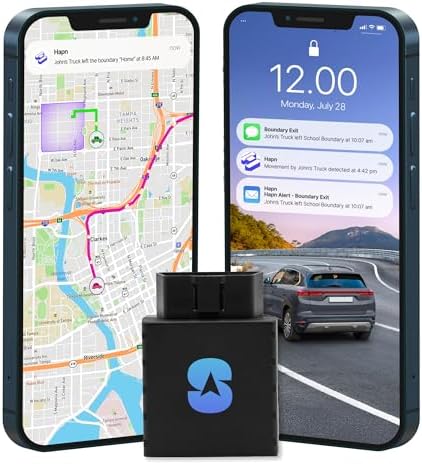
For example, Spytec says its Pulse tracker plugs into a compatible OBD-II port and is powered by the vehicle. Bouncie’s pricing and support information likewise describe an OBD-II adapter with a cellular subscription. Check each provider’s current vehicle-compatibility and plan terms before buying; placement, port access, and power behavior vary by vehicle.
Choose a rechargeable magnetic tracker if these conditions match
A portable magnetic tracker is usually the better category when the device needs to move between your own assets or when there is no usable OBD-II port. It can suit equipment, trailers, or vehicles where portability matters, provided that you can follow the provider’s charging, placement, temperature, and weather guidance.
For example, Spytec describes its Atlas Portable as a rechargeable tracker with a magnetic weatherproof case, while LandAirSea’s support and plan documentation explains that its portable tracker service and reporting options depend on the selected plan. Battery expectations are not interchangeable across models: update interval, movement, cellular reception, temperature, and placement can all change runtime.
The practical cost of portability is a routine. Before relying on a portable tracker for an important trip, charge it fully, test normal app reports and alerts, and confirm how often you will need to retrieve it for charging.
The two mistakes buyers make most often
“No charging” does not mean “no service cost”
An OBD device uses vehicle power, but a tracker still needs mobile data to send remote reports. Most products in both categories require an active plan for location history, alerts, and app access. If avoiding recurring cost is the priority, the product category may change to an item finder or a local data logger; see GPS trackers with no monthly fee: what actually works for cars.
“Portable” does not mean “fit it anywhere and forget it”
Battery trackers need charging and a placement that respects the maker’s safety, weather, and signal guidance. Avoid any location that could interfere with vehicle operation, safety systems, service access, or road clearance. A device on an owned vehicle can still have delayed reports in garages, tunnels, rural areas, or weak-coverage locations.
Decide in 60 seconds
- Do you need to move the tracker between owned vehicles or equipment? If yes, begin with a portable rechargeable model.
- Will the tracker stay in one compatible daily vehicle? If yes, compare OBD models first.
- Do you need remote app updates while away? If yes, price the cellular plan with the hardware; neither format makes those reports free.
- Is an interstate trip or remote route important? Check the plan, carrier support where disclosed, battery or vehicle power, and your actual route before departure.
- Do you need diagnostics or driving-event data? Those features are more commonly associated with OBD products, but verify the specific model and plan.
For the current product-level trade-offs, see our best GPS trackers for cars comparison. For travel and plan checks, use the car GPS tracker coverage and subscription guide.
Use tracking responsibly
Use a tracker only on vehicles, equipment, or belongings you own or have explicit permission to monitor. Do not treat a consumer tracker as a recovery guarantee or try to recover a vehicle yourself; share available information with law enforcement when appropriate. Local laws, workplace policies, lease terms, and agreements can affect permitted use.
Research notes and related guides
This comparison is based on current manufacturer and provider documentation, not a hands-on battery, signal, or vehicle-compatibility test. Product setup, plans, prices, and vehicle support can change, so check the provider’s current documentation before purchase.
- Best GPS trackers for cars
- Best magnetic GPS trackers
- Best portable GPS trackers
- Car GPS tracker coverage and subscription plans
- GPS trackers with no monthly fee
Affiliate disclosure: BetterPickAdvisor may earn a commission from qualifying purchases made through some links on this site. This guide explains installation and service trade-offs; linked provider documentation is included as supporting evidence.